How to tell if a surplus funds letter is real
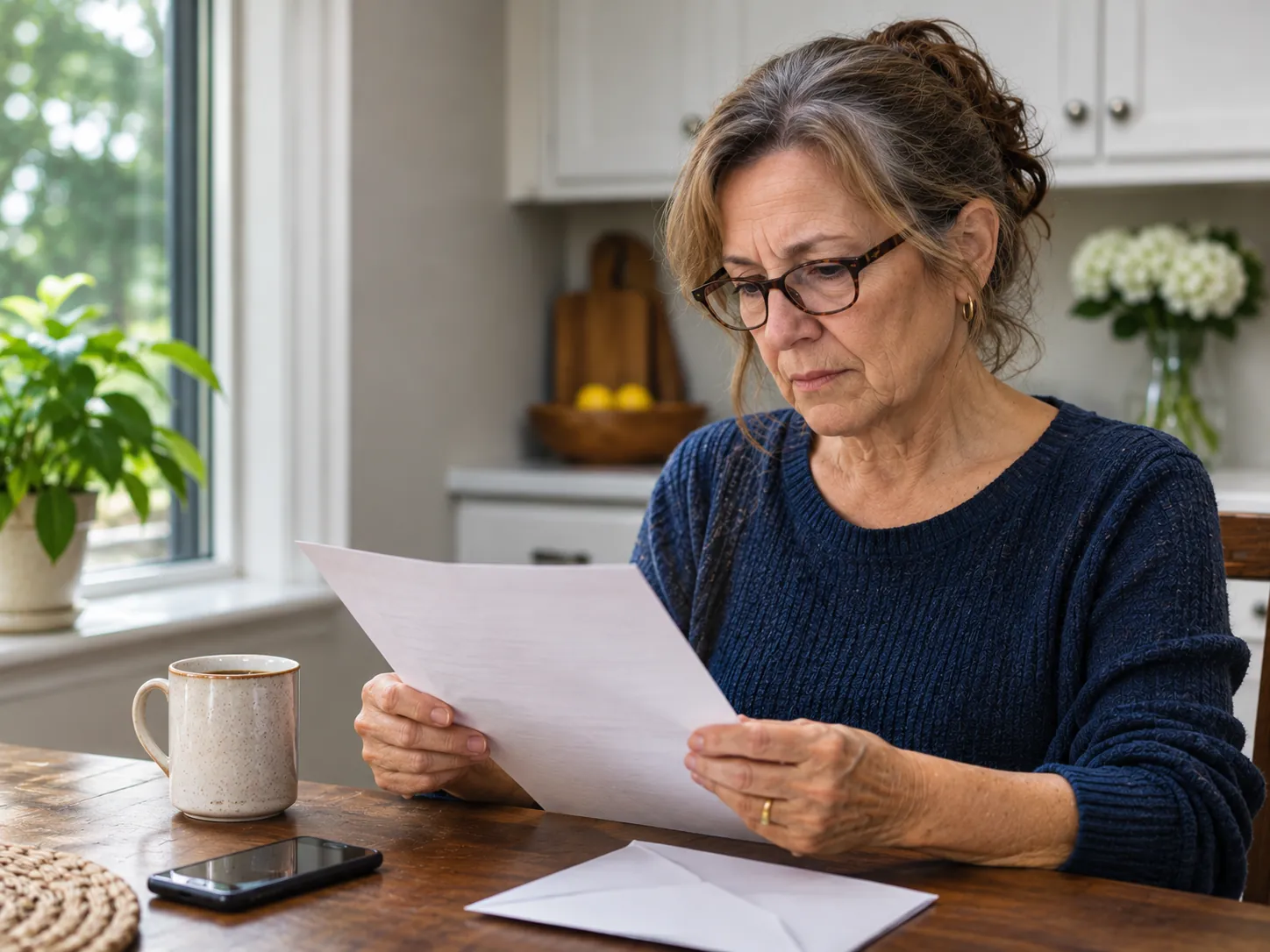
After a foreclosure or tax sale, former owners often get letters about money left over. Some come from honest companies and some from scams, and they can look alike. Here is how to check any of them.
Why these letters arrive
When a property sells at a foreclosure or tax sale, the results are public. Recovery companies read them, find the former owners and write to them. The money they write about is real: a county that sells a home for unpaid taxes cannot keep more than was owed, and after a mortgage foreclosure, state law sends what is left after the debts to the former owner.
Because the money is real, scams grow up around it. A letter can be honest and still be expensive, or look official and be neither. The good news is that every real claim leaves a paper trail you can check yourself.
What a real letter tells you
- The county and the date of the sale.
- A case or sale number you can look up.
- Who sent it, with a phone number and address that work.
- That nothing is due upfront.
- That you can file a claim on your own.
Call the office that ran the sale, usually the county clerk, treasurer or tax collector, give the case or sale number and ask whether surplus is being held. For a mortgage foreclosure, ask the trustee or the court that handled the sale. It costs nothing, and it tells you whether the money exists before you talk to anyone else.
Warning signs
In March 2026 the Federal Trade Commission warned about unexpected calls about unclaimed money. The warning signs it described apply just as well to letters:
- A name that sounds like a government agency.
- A specific dollar amount said to be “owed” to you.
- A warning that time is running out.
- A request for an upfront fee or for personal information.
- Pressure to decide right away.
State attorneys general who took action against surplus recovery companies, in New Jersey in 2015 and in Washington in 2018, pointed to the same patterns: names that sounded like a court, letters that did not identify the property, false urgency, fees of 35 to 67 percent, and contracts that did not state what the owner would receive.
Real deadlines come from the law, not from the sender. They range from a few months to several years depending on the state, and the office holding the money can tell you yours.
What it can cost
Fees depend on the state and the kind of sale, and the differences are large:
- In Texas, a person who is not an attorney may not charge an owner any fee to collect tax-sale excess, and an attorney’s fee is capped at 25 percent or $1,000, whichever is less.
- In Florida, someone who takes over an owner’s foreclosure surplus may earn no more than 12 percent while the court clerk holds the money, and the agreement must say that you do not need an attorney.
- In California, a company that is not an attorney may not make any paid recovery deal with the owner of a home of up to four units who lived there when it went into foreclosure.
- In Michigan, the right to tax sale surplus cannot be sold or assigned to anyone.
Other states set no limit at all, so the written agreement is the only thing that protects you. Someone may also offer to buy your claim for a smaller amount now. Some states forbid that, and others allow it only with strict disclosures, such as telling you that you could file with the county yourself for free. Never sell a claim before you know the full amount.
Before you sign anything
- Confirm the money with the clerk, county or trustee yourself.
- Get the agreement in writing, with every fee as a dollar amount.
- Make sure it says what you will receive, not only what the company is paid.
- Ask who will file. In many states only you or a licensed attorney may file court papers for your claim.
- Never pay anything upfront.
- Remember you can file on your own. Some counties publish free forms.
Checking us
The same rules apply to Bronze Star Services. When we contact you, we give you the county, the sale date and the case number so you can confirm the money yourself, we never ask for money upfront, and we tell you when filing on your own is the better choice. If anything in our letter does not check out, call us and ask.
Sources
- Tyler v. Hennepin County, 598 U.S. 631 (2023)
- Texas Tax Code, section 34.04 (fees on tax-sale excess)
- Florida Statutes, section 45.033 (assignment of foreclosure surplus, 12 percent cap)
- California Civil Code, section 2945.4 (recovery agreements with owners in foreclosure)
- California Revenue and Taxation Code, section 4675 (assignments and disclosures)
- Michigan Compiled Laws, section 211.78t (claims cannot be assigned)
- Federal Trade Commission consumer alert on unexpected calls about unclaimed funds, March 30, 2026
- Attorney general actions against surplus recovery companies: New Jersey (2015) and Washington (2018)
General information, reviewed on November 6, 2026. Laws change and differ by state, so this is not legal advice for your situation.
Want us to check a letter you got?
Give us the property address on the letter. We look up the sale for free and tell you what is really being held.
Or call (817) 308-1202