If a sale left money behind, it belongs to someone
Usually the former owner, or their family. The rules depend on the kind of sale and the state. Choose yours to see how it works.

Tax sale owners
The county sold the property for unpaid taxes. The extra waits with the county or the court, but not forever.
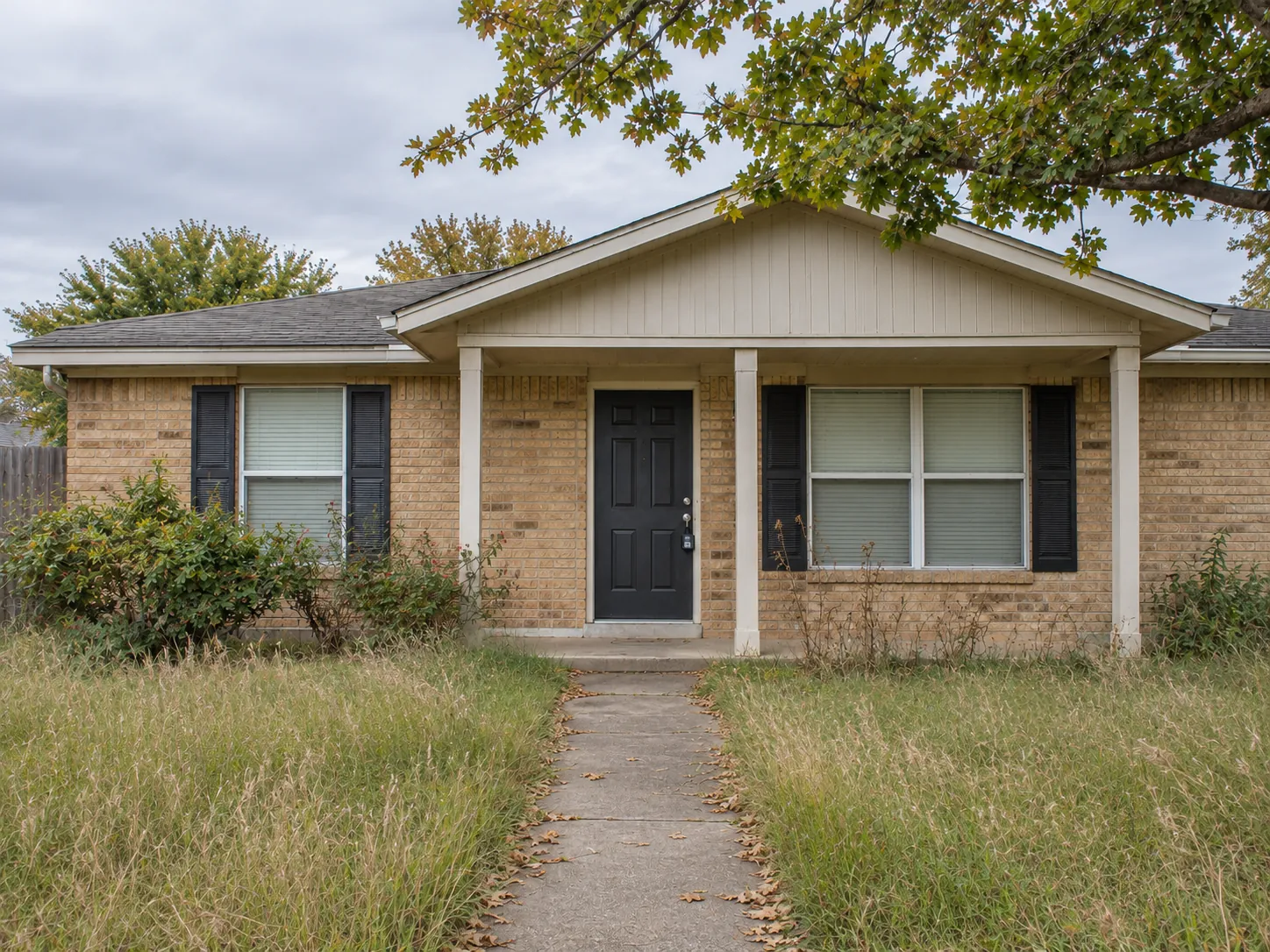
Foreclosed homeowners
A lender or HOA sold the home through a trustee. The surplus is owed to you after the debts are paid.

Heirs and families
The owner has passed away. The money passes to the heirs once the court sees who they are.
Three kinds of sale, side by side
Who holds the money, how long you have and who may charge a fee depend on how the property was sold, and on the state.
Tax sale
- Who holds the money
- The court clerk or the county, depending on the state
- Deadline to claim
- Set by each state, from a few months to several years
- Buying the property back
- Some states allow a set time to redeem after the sale
- Fee limits
- Some states cap or forbid fees; others set no limit
Mortgage foreclosure
- Who holds the money
- The trustee, sheriff or court clerk that handled the sale
- Deadline to claim
- Often none in the statute, but unclaimed money moves to the county or state
- Buying the property back
- Possible in some states for a time; in many, not once the sale has happened
- Fee limits
- Some states cap fees or allow paid help only through an attorney
HOA foreclosure
- Who holds the money
- The trustee or court that handled the association’s sale
- Deadline to claim
- Usually the same rules as a mortgage sale in that state
- Buying the property back
- Some states give owners a set time to redeem after the sale
- Fee limits
- Usually the same rules as a mortgage sale in that state
Not sure which one applies?
Give us the address of the property and we will find out what kind of sale it was and whether money was left over.
Or call (817) 308-1202